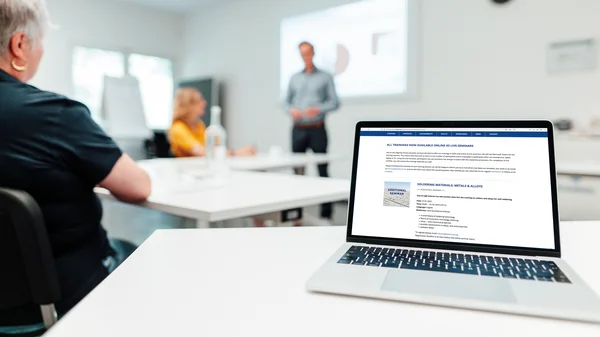
Deepen your expertise
We offer training and online seminars on request. If you would like to be informed about upcoming seminars, please sign up for our newsletter or follow us on LinkedIn.
We use Microsoft teams for our trainings. This allows flexible participation with smartphone, tablet, laptop and PC. Using the chat function, participants can ask live questions and get in touch with the moderation team. After the seminar, you will receive the training materials in digital form.

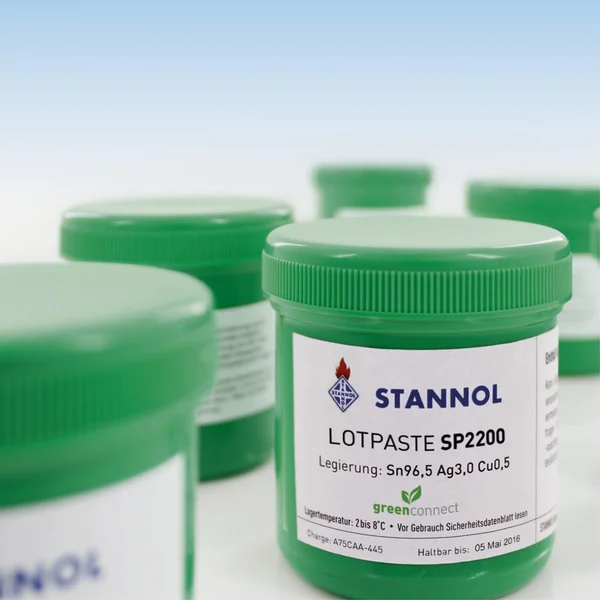
Solder: solder pastes
Basics for soft soldering in electronics
- basic composition of a solder paste
- mode of action of the components
- standards, reliability and test methods
- application and printing process
- differences of activations
- available product groups
Request under

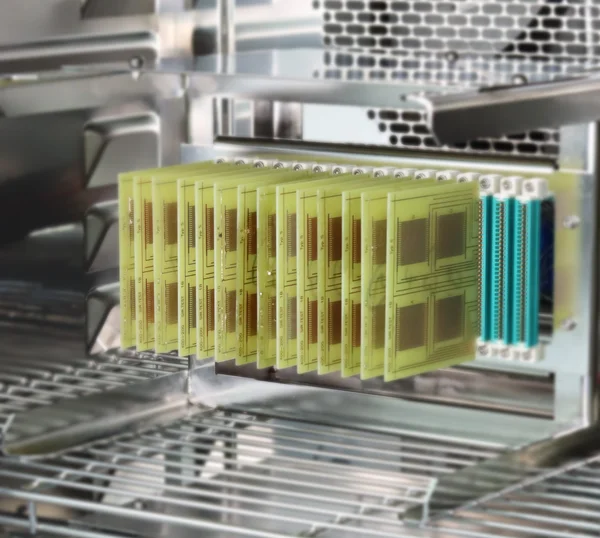
Objective Evidence through SIR tests
Definition and implementation
The removal of the "1.56 µg/cm2 NaCl equivalent" limit from IPC J-STD-001H requires the demonstration by "Objective Evidence" that the process materials used are electrically safe.
To assist you with this issue, we will address the following topics:
- Why was the old 1.56 µg/cm2 NaCl equivalent limit removed?
- What is meant by "Objective Evidence"?
- How can objective evidence be obtained by SIR tests?
- test laboratory vs. in-house-testing
Request under
Solder: metals and alloys
Basics for soft soldering in electronics
- small history of soldering technology
- basics of joining technology soldering
- alloys – some technical properties
- possible optimisations
- available alloys
Request under

Reducing CO2 emissions in electronics manufacturing
How can soldering materials help reduce CO2 emissions in electronics manufacturing?
We explain which specific product characteristics and selection criteria play a role. The following topics are covered:
- Switching fluxes: potential for reducing solvent-related CO2 emissions
- Water- or alcohol-based fluxes: differences and possible applications
- Bio-based fluxes: differences compared with conventional alcohol-based formulations
- Soldering materials with defined social and environmental criteria
- greenconnect products for electronics manufacturing
- The use of solder made from recycled material
- An outlook on the further development of soldering materials for more resource-conscious electronics manufacturing
Request under
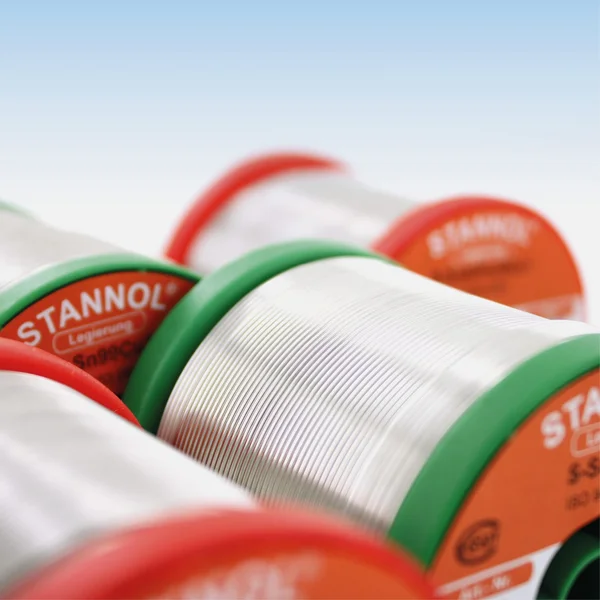
Solder: solder wires
Basics for soft soldering in electronics
- basic structure of a solder wire
- insights into the manufacturing process
- composition and function of the components
- standards, reliability and test methods
- differences of activations
- available product groups
Solder: fluxes
Basics for soft soldering in electronics
- basic function of a flux
- composition and function of the components
- standards, reliability and test methods
- differences alcohol and water based fluxes
- available product groups
Request under
Ion equivalence measurement and SIR/CAF tests
GEN3 electronic reliability test equipment
- Why should an ion equivalence measurement be performed?
- When should the measurements be performed?
- principles of measurement – how to perform – set-up of available instruments.
- SIR/CAF background – when and why to measure?
- how to measure?
- norms and standards
Request under

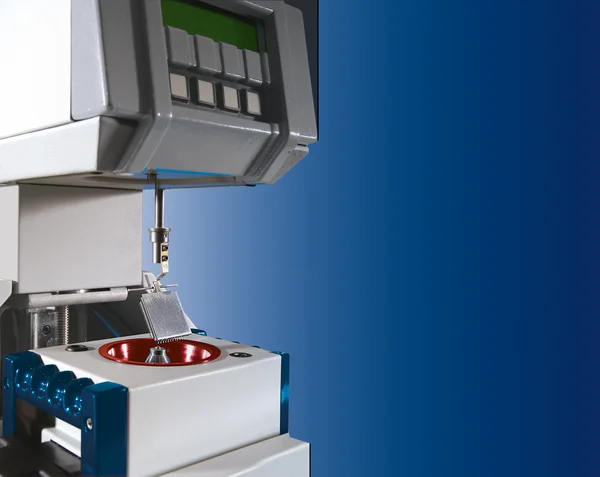
Solderability test by wetting balance
Application and evaluation
Supply chain issues and the associated component shortages have made solderability testing for components of unknown origin more relevant than ever. This online seminar will cover the following topics:
- conducting solderability tests
- influencing factors
- evaluation of solderability tests
- limitations of the methodology
Request under
greenconnect by Stannol
Soldering materials with defined social and environmental criteria
The following topics are covered:
- Development of a solder wire in collaboration with Fairlötet e. V., with defined criteria taken into account when sourcing its raw materials
- Background and requirements of the greenconnect product range
- Insights into a tin mine selected according to defined social and environmental criteria
- Other products in the greenconnect range
- Outlook: the future importance of more responsible raw material sourcing in the soldering industry
Request under
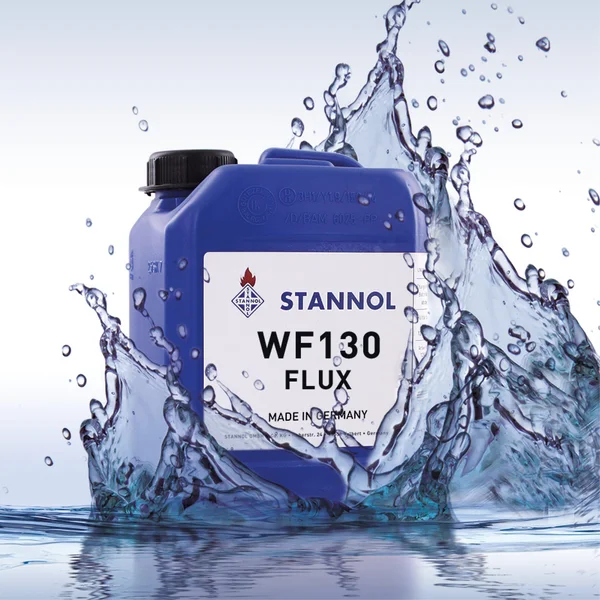
Water-based fluxes
Opportunities and application
- What are the differences between alcohol-based and water-based fluxes?
- What is identical in both groups?
- composition
- standards and reliability
- application in wave and selective soldering systems
Request under